<img alt="" src="https://consortiumtrade.com/811992.png" style="display:none;">
POWERING AGRICULTURE 

Lithium-Ion Forklift Batteries for Agriculture Processing and Logistics 

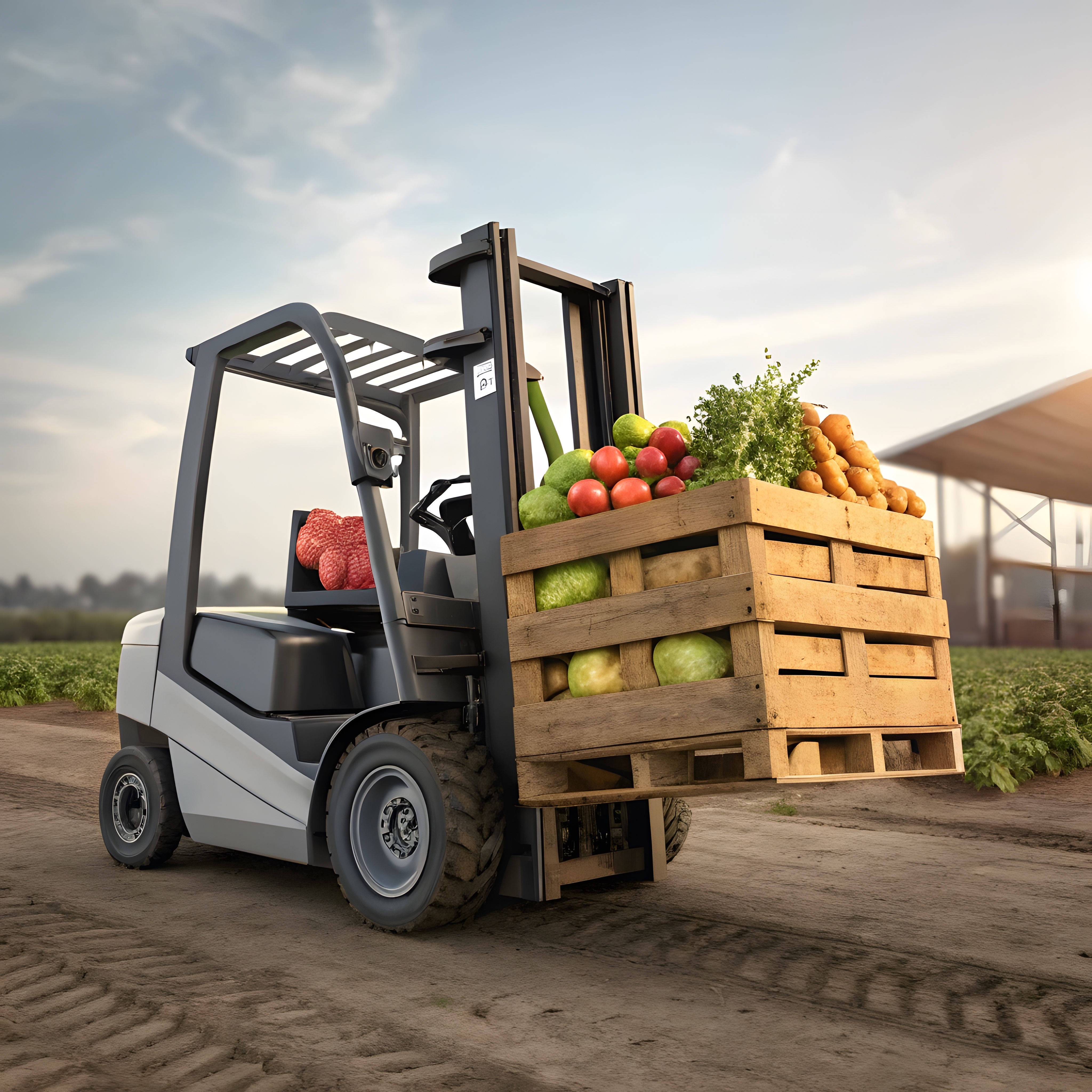
Keep product and parts moving through harvest peaks, packing lines, and farm equipment supply chains with lithium-ion energy solutions built for seasonal, multi shift operations. Electrify your Class I, II, and III forklifts and automated vehicles to reduce battery changes and refueling downtime, keep combustion exhaust out of packing areas, and gain real time visibility across every site. 
Talk to an Energy Expert

AdobeStock_1518488459

 AT A GLANCE

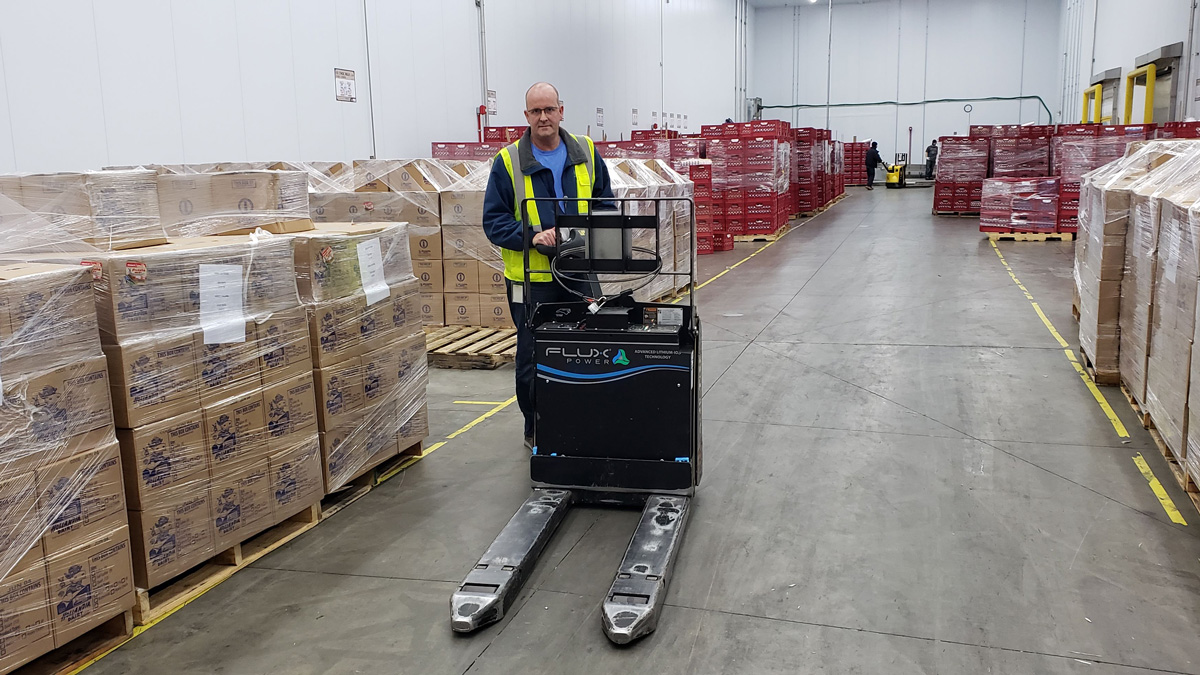
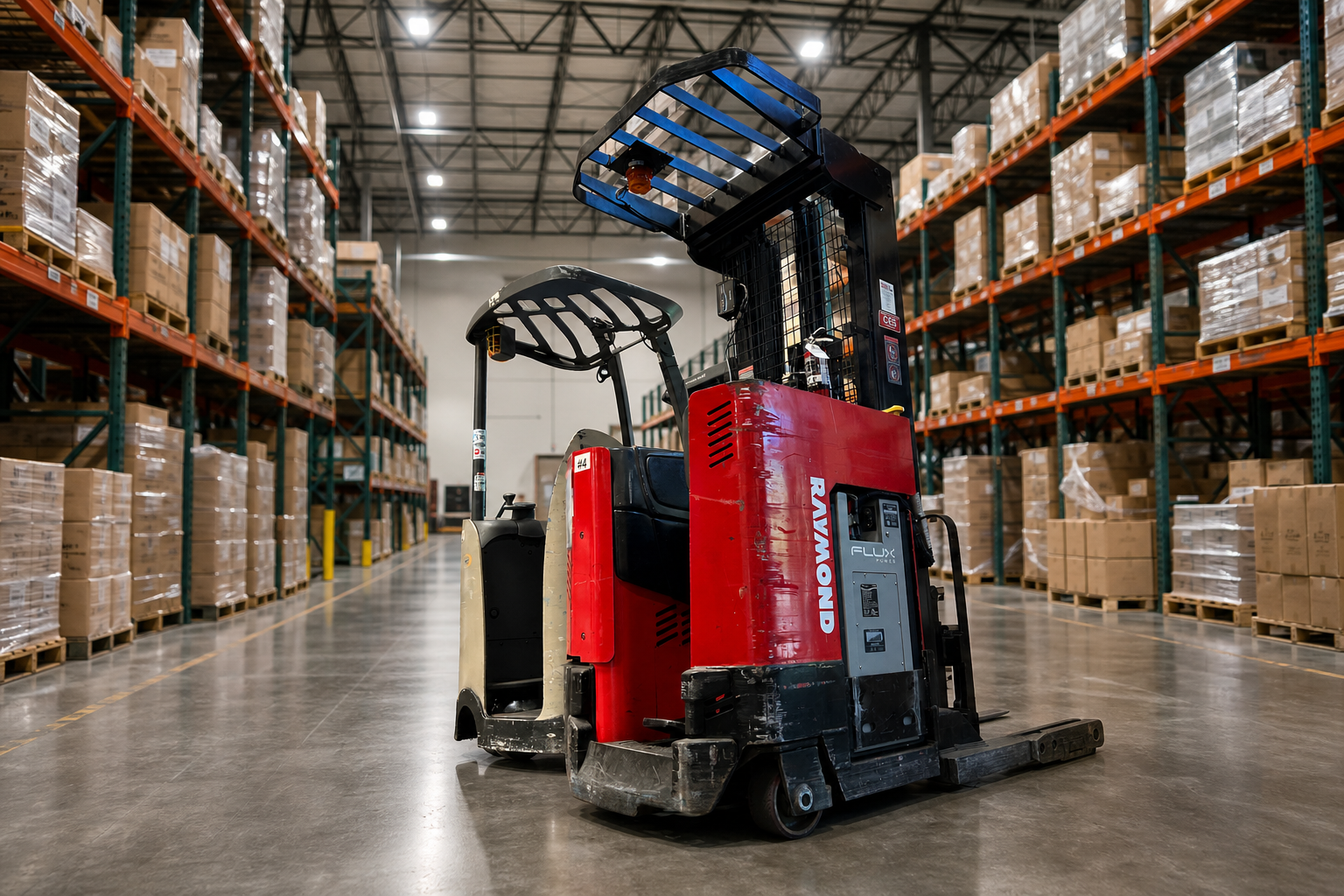
Flux Power lithium ion forklift batteries for agriculture power the Class I, II, and III forklifts, pallet jacks, and automated guided vehicles that move product and parts through packhouses, agricultural processing plants, and farm equipment parts warehouses. The LiFePO4 batteries opportunity charge during breaks to keep pace with harvest peaks, require no watering, operate from -22°F to 131°F, and produce zero tailpipe emissions. SkyEMS adds real-time monitoring of battery health and usage across shifts, seasons, and sites. 

Powering Agriculture From Harvest to Shipment

Flux Power lithium-ion energy solutions help agricultural producers, packers, processors, and equipment supply chains keep material handling equipment available when the season demands it, simplify energy management, and gain greater control over fleet performance and operating costs. 

Stay Ready for Harvest Peaks

Opportunity charge between loads and at shift change so one battery per truck can keep up when volume surges. 

Keep Exhaust Out of Packing Areas

Electric forklifts produce zero tailpipe emissions, so they add no combustion exhaust to enclosed packing, processing, and cold rooms. 

Power People and Automation Together

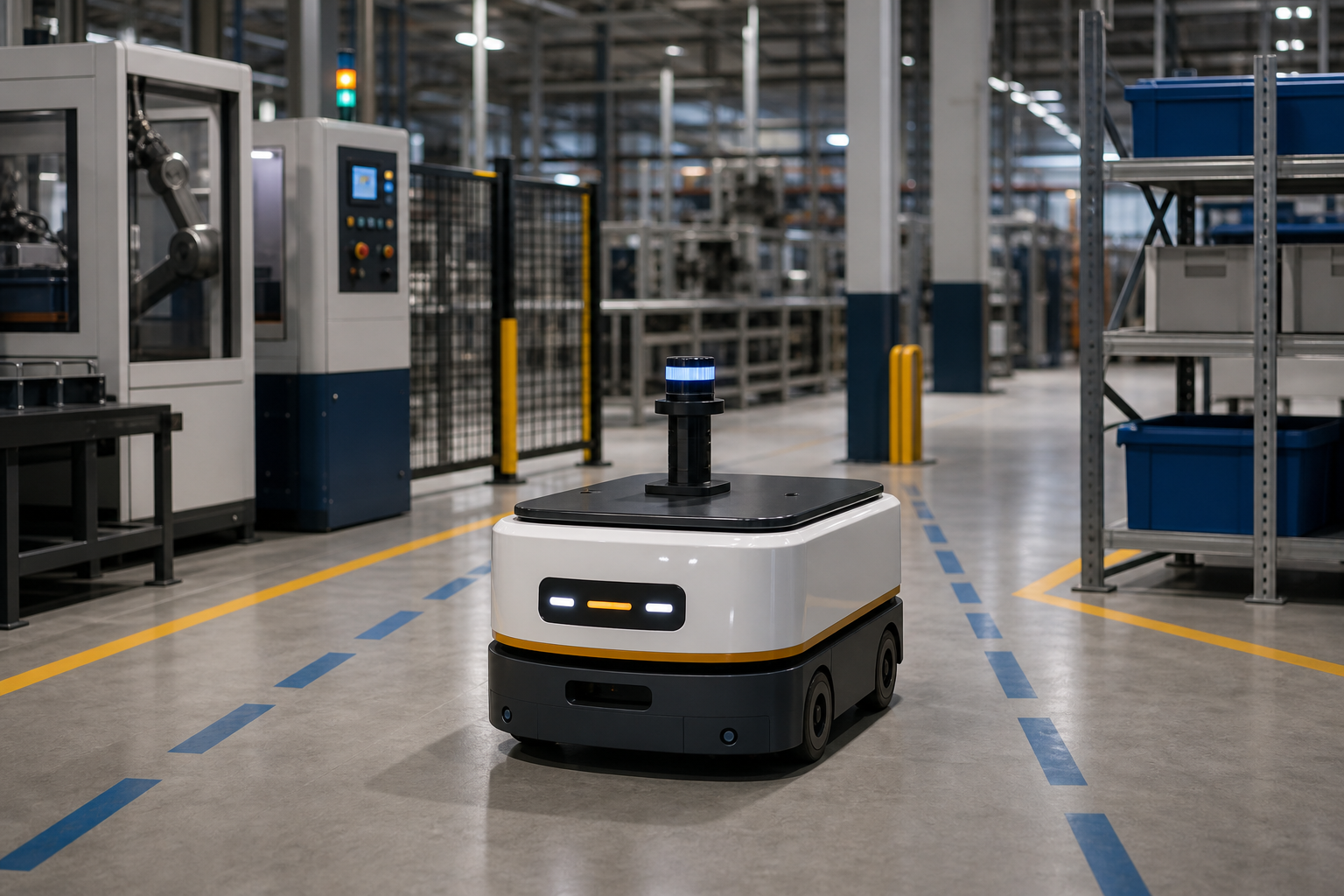
Run forklifts, pallet jacks, and AGVs and AMRs on one lithium-ion energy strategy, from the packing line to the shipping dock. 


Lower Total Operating Costs

Reduce propane purchases and eliminate watering, battery rooms, and the labor associated with battery changes. 

Solve the Operational Challenges That Slow Agricultural Operations Down

Agricultural operations work against compressed harvest windows, perishable product, seasonal labor shortages, and heavy, bulky equipment components that cannot wait on a dead battery. Flux Power lithium-ion solutions help operators keep product moving from receiving to shipping, support growing warehouse automation, and control the cost of powering their fleets through every season. 

 Keep Up When the Harvest Comes In 

 When the harvest arrives, receiving docks, packing lines, and storage run long hours and often around the clock for weeks at a time. A forklift pulled for a battery change or a propane tank swap leaves bins waiting and product aging on the dock. Flux Power lithium-ion batteries stay in the truck and charge during natural pauses, helping equipment stay available through every peak season shift. 

  • Opportunity charge during breaks, between loads, and at shift change.

  • Reduce dependence on spare batteries, changing equipment, and propane storage. 

  • Maintain consistent lift and travel speed through the full shift.

  • Use connected battery data to prepare the fleet before the season starts. 
 
Plan for Your Peak Season
X-Series (1)

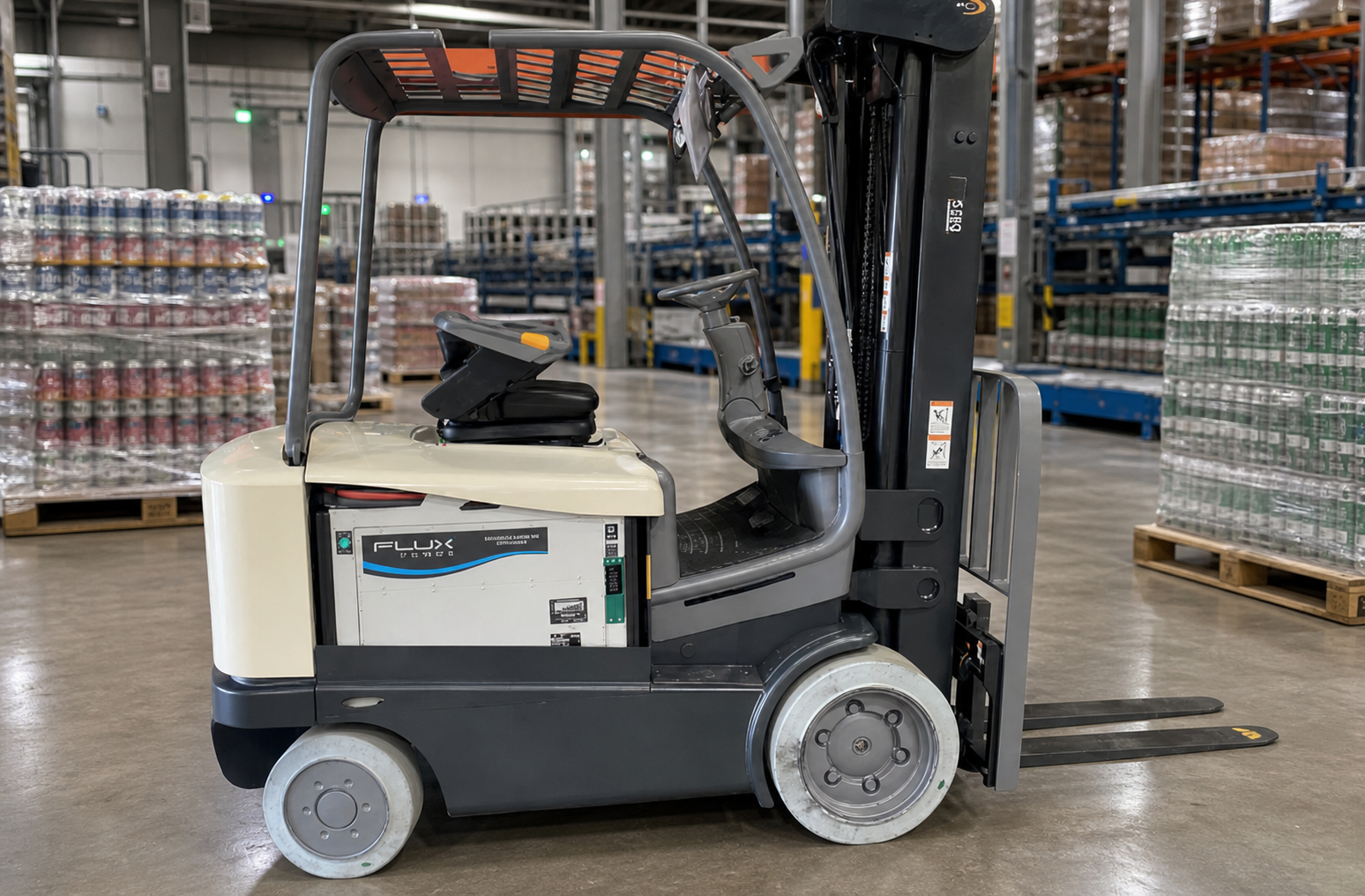
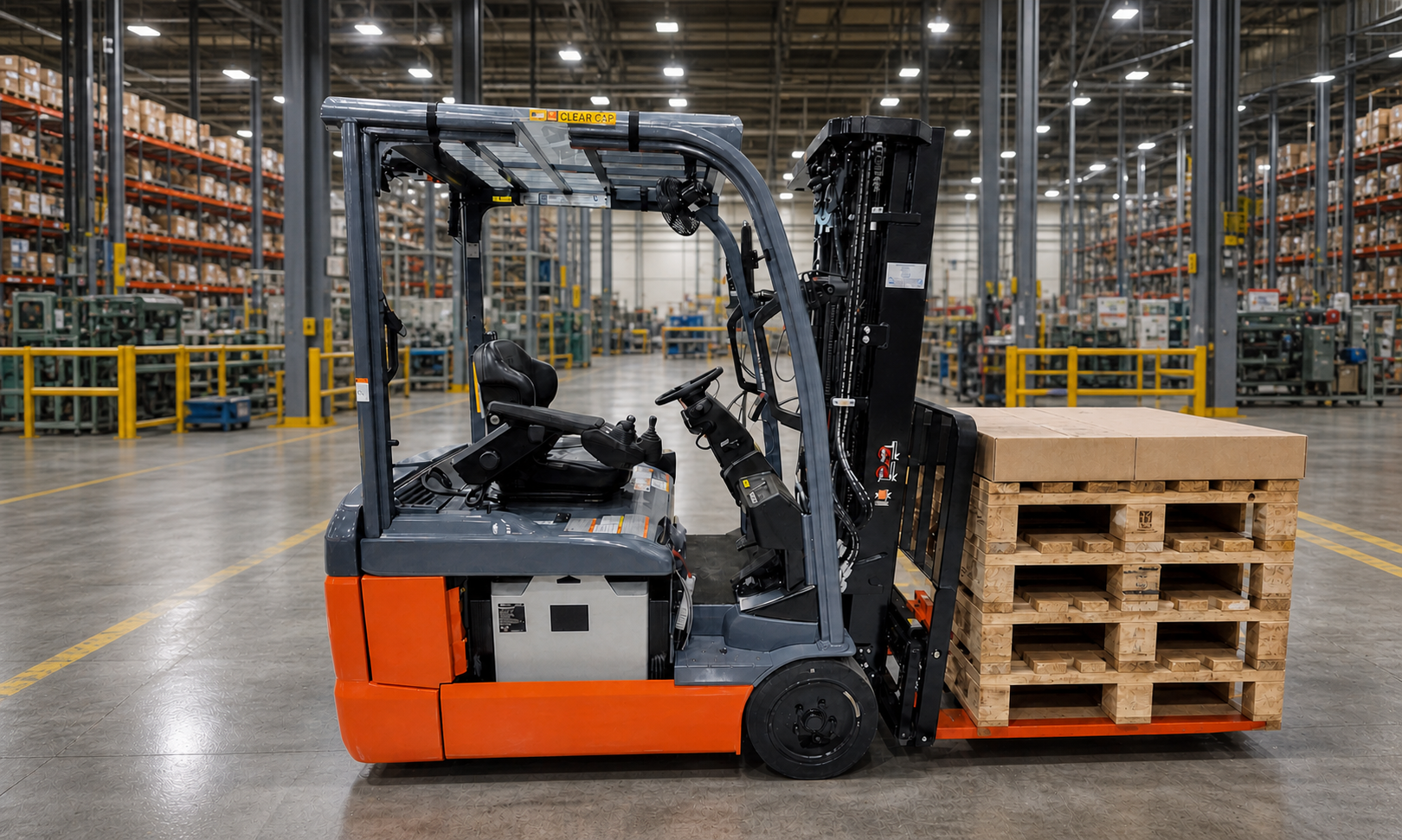
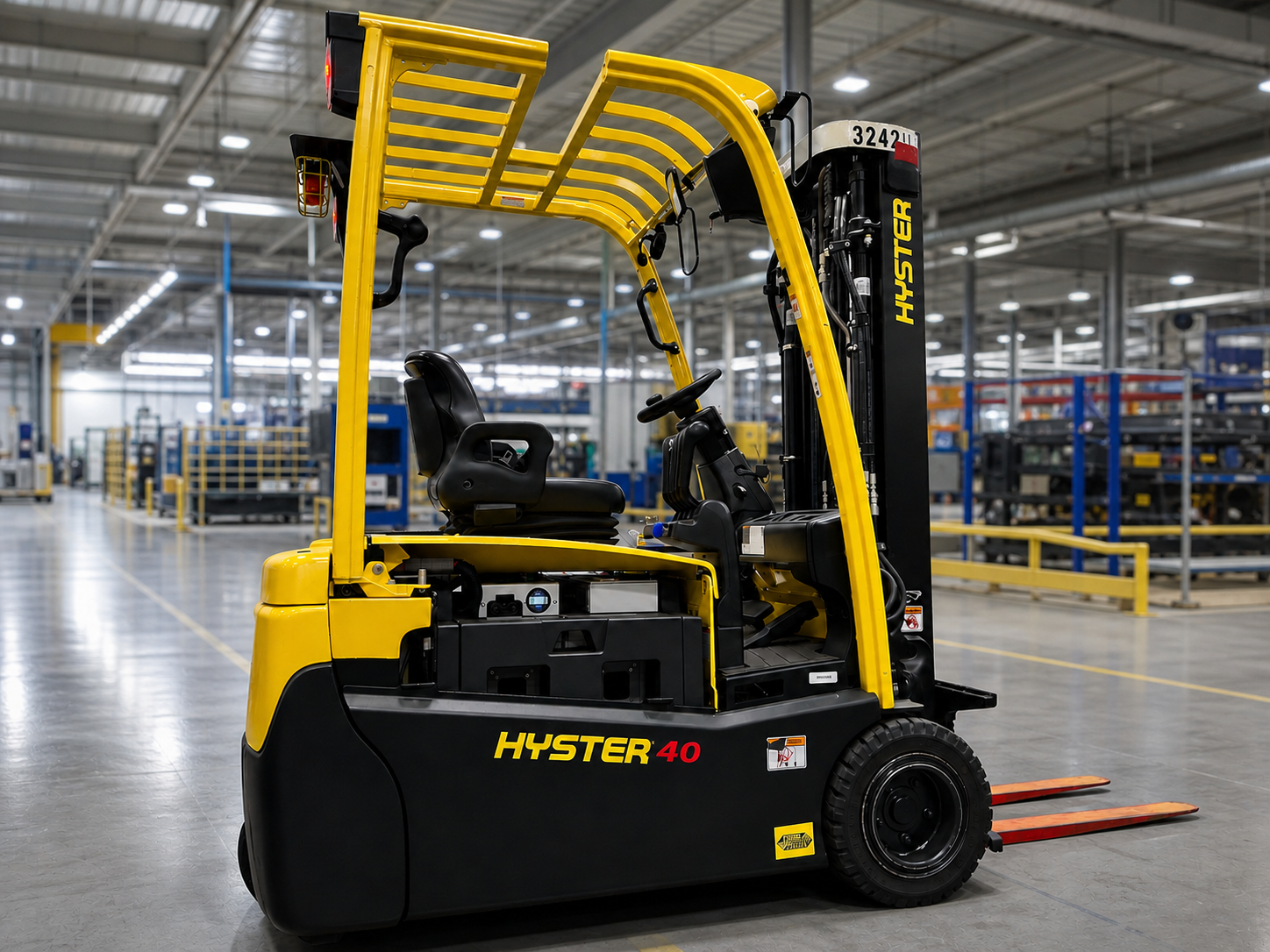
X-Series | Counterbalanced Forklifts

Reliable energy for demanding production, warehouse, and cold-chain applications requiring higher capacity.

View
Beverage Facility Shipping Soda Cans

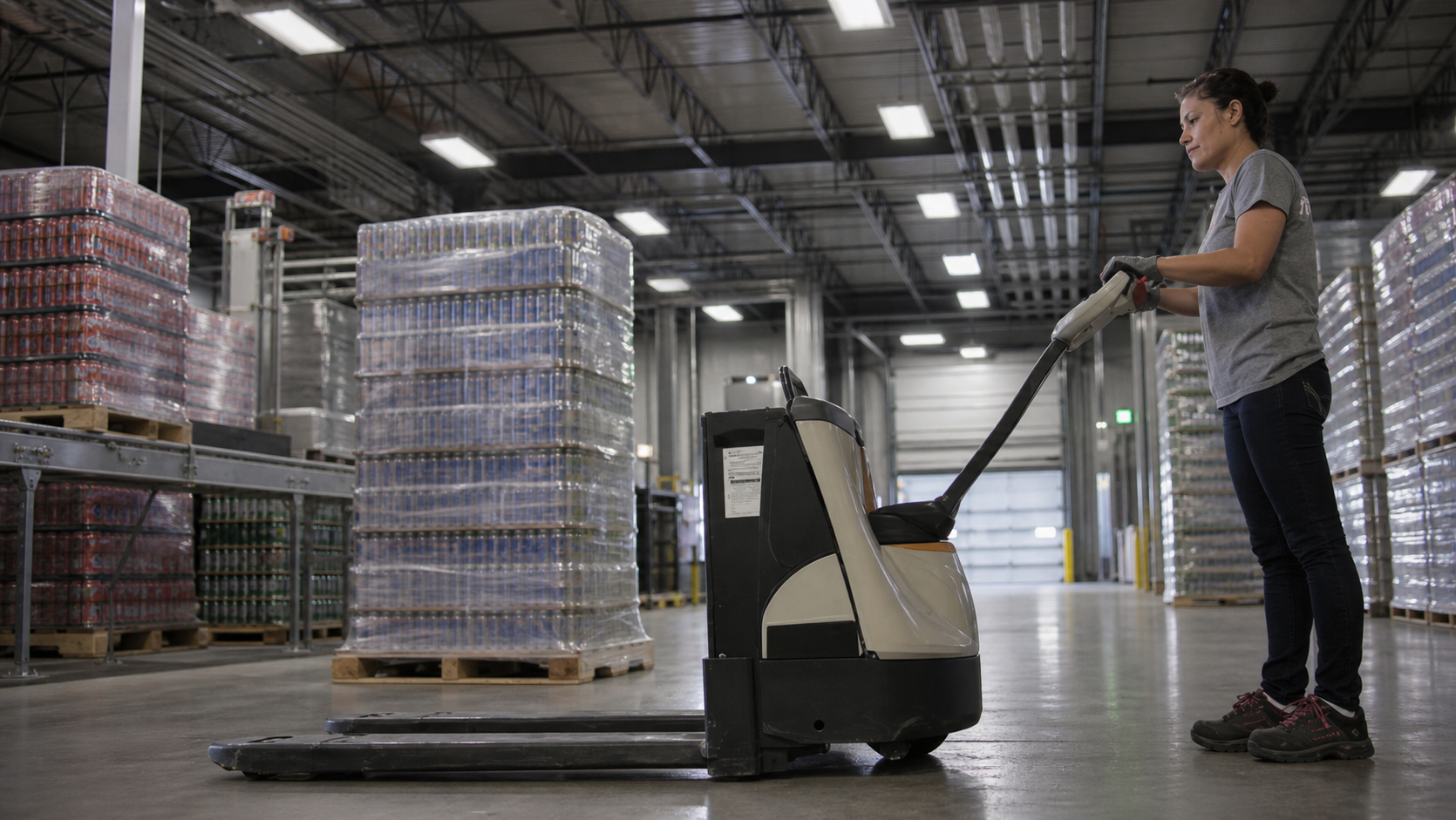
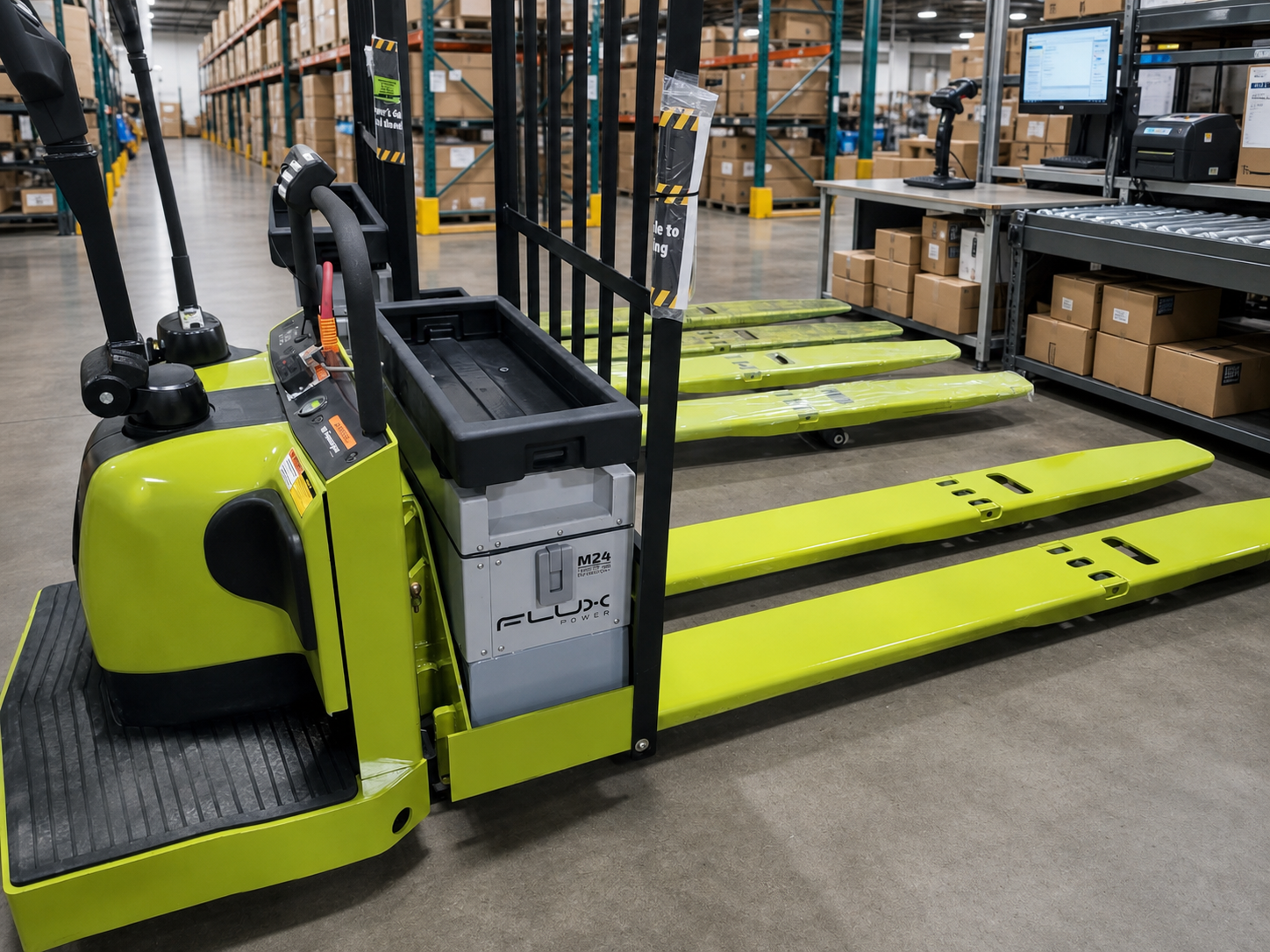
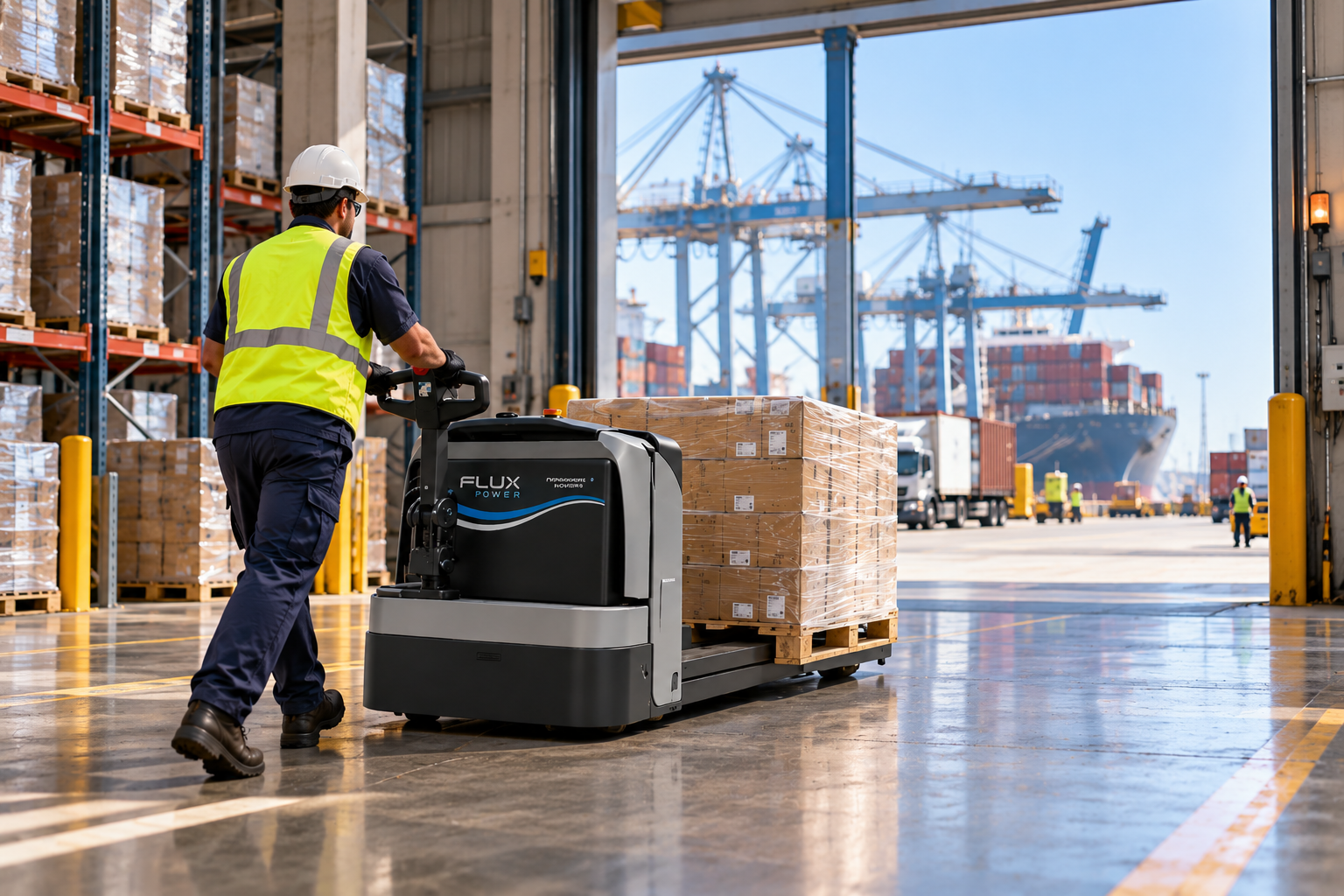
S-Series | Walkie Pallet Jacks

A compact lithium-ion power solution for pallet movement, receiving, staging, and dockside applications.

View
 CASE RESULTS

Texas Manufacturing Plant Achieved $2.34M in Five-Year Savings

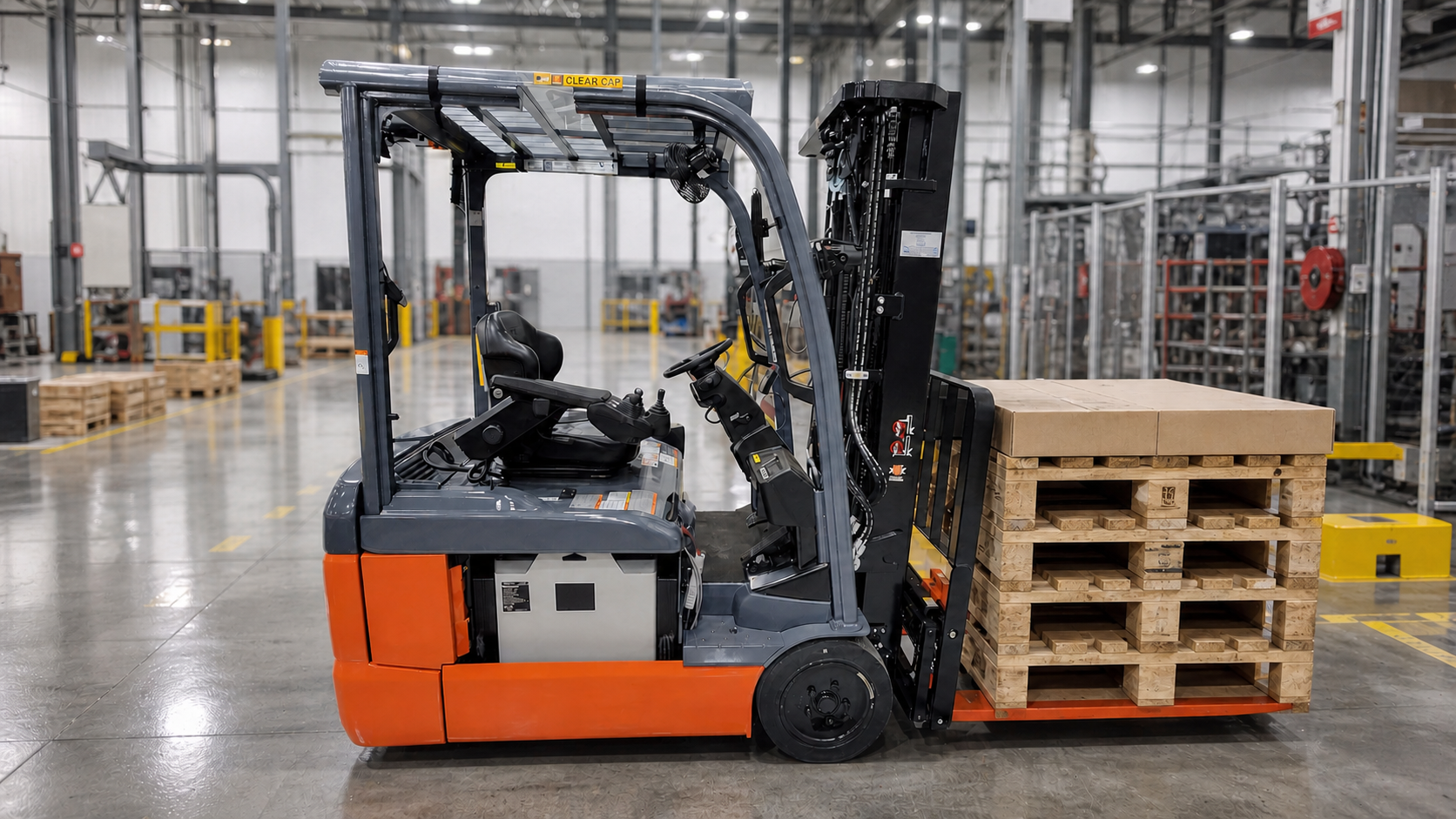
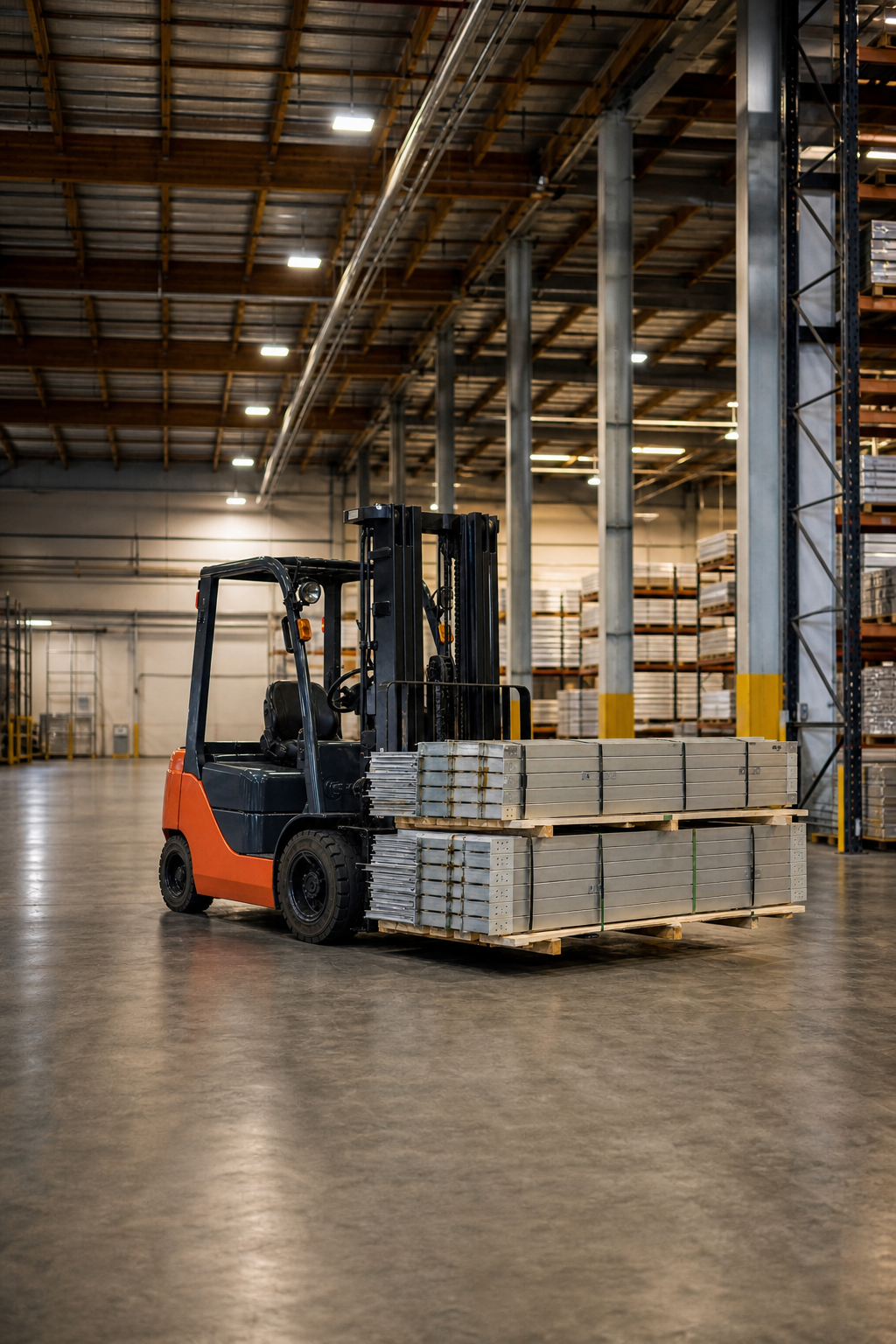
forklift in a manufacturing warehouse

EQUIPMENT MANUFACTURING

Problem

A 30-truck fleet used flooded lead-acid batteries, with two batteries per truck, creating a 60-battery system that demanded maintenance, charging, and handling. Maintenance time pulls labor from higher-value tasks, and unavailable trucks disrupt production and flow.

Solution

Switching to Flux Power lithium-ion batteries eliminated battery swaps and reduced maintenance.

Result

They lowered their 5-year costs by $2.34M+ and reduced their fleet and maintenance size.

Read the full customer story
30 truck fleet
2 Shifts per day
1500 Annual Truck Hours
2:1 LA batteries per truck

 CONNECTED FLEET INTELLIGENCE 

Monitor Fleet Performance Through Every Shift and Season

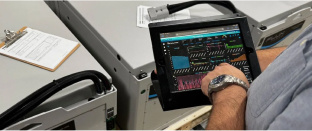
 SkyEMS turns battery and equipment data into practical fleet insights. Monitor usage, charging behavior, asset health, and performance trends across packhouses, processing plants, and parts warehouses, in peak season and off season 

Explore SkyEMS

Manage Fleet Health

Monitor battery health, charge behavior, temperature, and usage across connected assets. 

Proactive Alerts

Receive notifications on battery conditions so teams can respond before equipment is pulled from service.

Right Size for Season

Compare utilization in peak and off season to plan fleet size, rentals, and replacements. 

Compare Sites

Benchmark performance across packing, processing, and storage facilities.

Understand the True Cost of Powering Your Agricultural Fleet

Equipment price is only one part of the financial picture. Fuel, energy, maintenance labor, battery changes, charging practices, facility infrastructure, and downtime during the harvest all affect the total cost of powering an agricultural fleet .

Seasonal Operating Hours

Evaluate equipment usage by shift, site, and peak versus off season. 

Current Power Source

Compare propane and lead acid costs against lithiom-ion.

Maintenance & Labor

REWRITE-- Calculate time spent on engine service, watering, tank changes, and battery changes.

Fleet Size and Equipment

Review equipment types, automated vehicles, duty cycles, and charging infrastructure across sites.

Flux Power can evaluate your equipment, shifts, charging practices, maintenance requirements, and current power source to identify the potential operational and financial impact of transitioning to lithium-ion.

Request A Fleet Impact Assessment

Manufacturing Fleet Resources

Lead vs Lithium eBook

Get the facts on longer run-times, faster charging, and reduced maintenance of lithium-ion batteries in comparison to lead acid.

Fleet Impact Assessment Guide

Explore our Fleet Impact whitepaper, built on real-world fleet case studies.

Equipment Manufacturing Plant Saves $2.3M in 5-Years

How one heavy-equipment manufacturer eliminated battery downtime, reduced fleet size, and cut energy costs. 

How to Reduce Forklift Maintenance Costs

Maintenance represents a good amount of the average warehouse’s annual spend, and it is not an area to skip to maintain your fleet’s longevity. 

The Truth About Hydrogen Fuel Cells eBook

Lithium-ion batteries and Hydrogen fuel cells have been renowned for their zero emission benefits, but how do they stack up against each other in the manufacturing space?

How One Manufacturer Saved $1M by Switching to Lithium-Ion

When it comes time to replace aging batteries in your fleet, it pays to look beyond the upfront purchase price.

Build a Smarter Power Strategy for Your Fleet

Whether you're moving raw ingredients or finished goods, our batteries help you stay compliant, reduce downtime, and keep the line moving.

Manufacturing Lithium-Ion Battery FAQs

Accordion Icon How long does it typically take for a manufacturing facility to transition from lead-acid?
Most facilities transition in 4–8 weeks depending on fleet size, infrastructure complexity, and staff training timelines. We manage the transition with a detailed project plan, on-site support, and training. Many customers run a phased rollout (test with 5–10 units, then expand).
Accordion Icon What is the ROI of lithium-ion batteries for manufacturing?
Yes. Flux Power lithium-ion batteries are designed with properly configured thermal management and application-specific charging strategies to support equipment operating in temperature-controlled environments. Unlike lead-acid batteries, lithium-ion solutions maintain consistent performance in cold storage without the freeze-thaw degradation that affects other battery chemistries.
Accordion Icon What is the difference between lithium-ion and lead-acid batteries for manufacturing?
Opportunity charging allows batteries to recharge during scheduled breaks (lunch, shift changes, loading/unloading cycles) rather than requiring a full overnight charge. This supports longer operating hours, reduces the need for spare batteries, and improves equipment utilization across high-throughput order picking, loading, and delivery operations.
Accordion Icon How long do lithium-ion batteries last in continuous-duty applications?
SkyEMS provides connected battery data that allows operations to monitor state of health, state of charge, runtime, utilization, temperature, and reported alerts in real time. This centralized approach supports multi-facility management and helps identify underused assets, optimize charging strategies, and prevent performance issues before they occur.
Accordion Icon Are lithium-ion batteries safe for manufacturing environments?

Yes. Flux Power lithium-ion batteries are UL Listed, meeting rigorous safety and performance standards. All applicable product families carry full documentation of certifications and warranty coverage specific to their intended applications.