







As lithium-ion batteries continue to transform material handling, warehousing, and airport ground operations, safety and compliance have never been more important.
One key factor separates reliable systems from risky ones: UL certification.
If you’re investing in lithium-ion technology, understanding UL standards isn’t optional—it’s essential.
What is UL Certification?
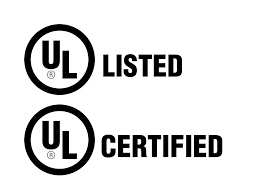
Underwriters Laboratories (UL) is a globally recognized organization that develops and tests safety standards for electrical systems and components.
For lithium-ion batteries, UL certification verifies that a system has been rigorously tested against risks like:
- Thermal runaway
- Overcharging
- Short circuits
- Mechanical damage
This ensures your battery solution meets strict safety and performance benchmarks.
Key UL Standards for Lithium-Ion Batteries
Understanding the most relevant UL standards helps you evaluate whether a battery system is truly safe and compliant.
UL 2580 – Mobile Battery Safety
Applies to batteries used in electric vehicles and industrial equipment like forklifts and ground support equipment.
Covers:
- Electrical integrity
- Environmental durability
- Vibration and shock resistance
UL 1973 – Stationary Energy Storage
Focused on stationary battery applications such as backup power and energy storage systems.
Ensures:
- Long-term operational safety
- System stability under load
UL 991 & UL 1998 – Battery Management System Safety
These standards evaluate the safety of control systems and embedded software.
Critical for:
- Preventing system failures
- Ensuring intelligent battery monitoring
Why UL Certification Matters for Your Operation
1. Safer Work Environments
UL-certified lithium-ion batteries are tested under extreme conditions to reduce fire and failure risks—protecting your workforce and facility.
2. Easier Regulatory Compliance
UL standards align closely with OSHA and fire code requirements, helping you stay inspection-ready and compliant.
3. Lower Insurance Risk
Insurance providers often favor UL-certified systems. Non-certified batteries can lead to higher premiums or coverage issues.
4. Increased Equipment Reliability
Certified systems are built for durability and performance, reducing downtime and maintenance costs.
The Risk of Non-Certified or Partially Certified Systems
Not all lithium-ion battery providers meet full UL certification requirements.
Some systems include UL-recognized components—but fail to certify the entire battery system.
That’s a critical gap.
A fully UL-certified system ensures that:
- All components function safely together
- The system performs reliably under real-world conditions
- Risks are minimized across the entire operation
Flux Power’s Approach to UL-Certified Lithium-Ion Batteries
At Flux Power, safety and compliance are engineered into every solution.
Flux Power lithium-ion battery systems are designed to meet stringent UL standards while delivering:
- Advanced battery management systems (BMS)
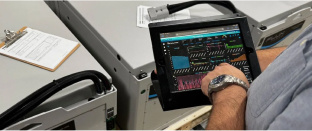
- Real-time performance monitoring
- Built-in safety redundancies
- Scalable solutions for industrial fleets
This approach helps customers improve safety, meet compliance requirements, and confidently transition to electrified operations.
Final Thoughts: Know Your UL Before You Invest
Lithium-ion batteries offer major advantages—but only when deployed with the right safety standards in place.
Before choosing a solution, ask the right question:
Do you know your UL?
Because when it comes to powering your operation, safety, compliance, and reliability should never be compromised. To learn more, talk to one of our Energy Experts.