





Lead-acid batteries powered the material handling industry for decades. But today’s warehouses, distribution centers, and manufacturing operations demand more uptime, more efficiency, and better visibility into equipment performance.
That’s why many fleet managers are transitioning to lithium-ion power. Modern lithium-ion forklift batteries deliver longer runtimes, faster charging, and advanced telematics that help operations run smarter.
If you're wondering whether it’s time to upgrade, here are seven clear signs your fleet may be ready for lithium-ion.
Lead-acid batteries often require battery swaps during shifts, especially in multi-shift operations. Each change can take 15–20 minutes and requires dedicated space and labor.
Lithium-ion batteries eliminate this issue by enabling opportunity charging. Operators can simply plug in during breaks or between shifts, keeping trucks running longer without time-consuming swaps.
The result:
More uptime, fewer interruptions, and higher overall productivity.
Lead-acid batteries require constant maintenance, including:
- Watering
- Equalization charging
- Cleaning corrosion
- Ventilation management
These routine tasks take time and introduce safety considerations.
Lithium-ion batteries are virtually maintenance-free, removing the need for watering, reducing maintenance labor, and eliminating exposure to corrosive acid.
Older battery technology often wastes energy through inefficient charging cycles and heat loss.
Lithium-ion batteries offer:
- Higher energy efficiency
- Faster charging times
- Lower total electricity consumption
Over time, these improvements can significantly reduce operational energy costs.
Modern operations require data-driven decision making.
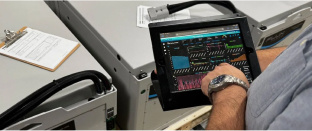
Lithium-ion batteries equipped with advanced telematics provide:
- Real-time battery health monitoring
- Charge cycle data
- Equipment utilization insights
- Alerts for potential issues before downtime occurs
This visibility allows operations teams to optimize fleet performance and plan maintenance proactively.
Lead-acid operations typically require:
- Dedicated battery rooms
- Ventilation systems
- Battery watering stations
- Spare battery storage
Lithium-ion batteries eliminate the need for battery rooms, freeing up valuable warehouse space for storage, production, or operational flow.
Lead-acid batteries typically last 1,500 cycles or about 3–5 years depending on usage and maintenance.
Lithium-ion batteries often provide:
- 2–3× longer lifecycle
- Consistent performance throughout their lifespan
- Reduced replacement frequency
Upgrading when your current batteries approach end-of-life can prevent costly downtime and improve operational efficiency.
Many companies are under increasing pressure to reduce environmental impact.
Lithium-ion forklift batteries support sustainability initiatives by:
- Eliminating acid spills and emissions
- Reducing energy consumption
- Producing fewer replacement batteries over time
- Supporting responsible end-of-life recycling programs
For companies with ESG goals, lithium-ion power can be a major step toward a more sustainable operation.
Material handling operations are evolving rapidly, and power technology must evolve with them.
Lithium-ion forklift batteries deliver:
- Greater uptime
- Lower maintenance requirements
- Better operational visibility
- Reduced total cost of ownership
For many fleets, upgrading to lithium-ion is no longer a question of if—but when.